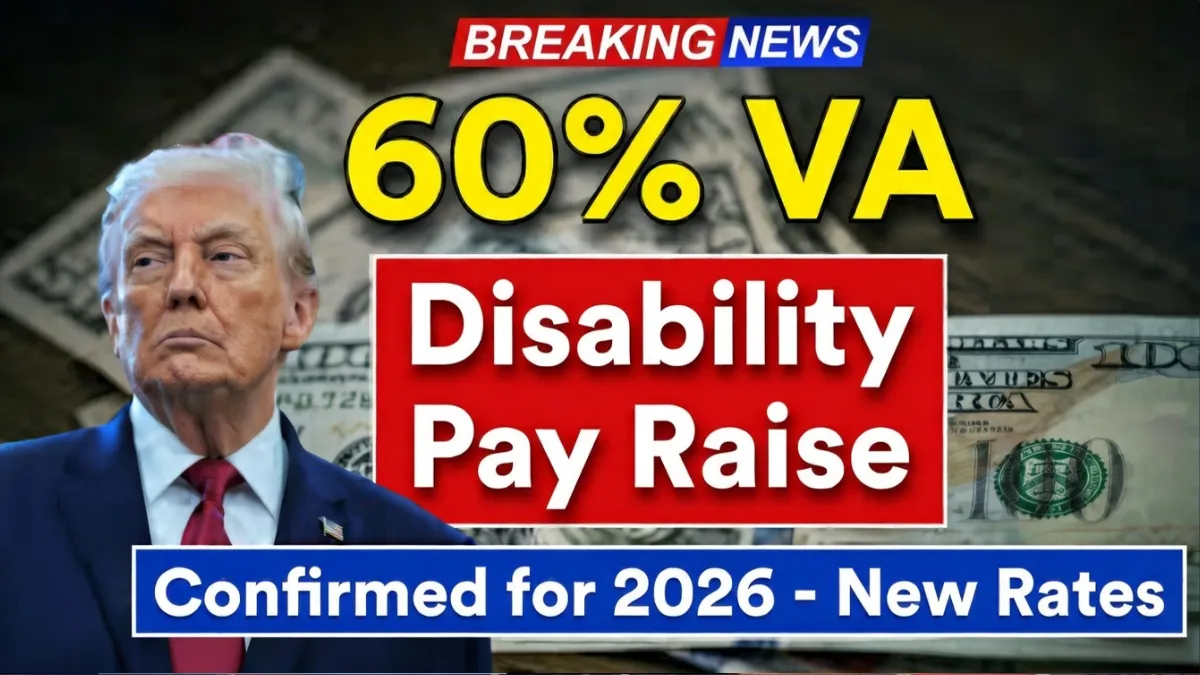
Talk of a 60% VA disability pay raise in 2026 has spread rapidly among veterans and their families, triggering excitement and plenty of questions. While official confirmation is still emerging, proposed changes suggest meaningful increases in monthly disability compensation – especially for those with lower to mid-range disability ratings. Understanding how this could affect your actual monthly income is essential for planning your finances in the coming year.
Why Veterans Are Talking About a 60% Increase
The 60% figure refers to discussions and proposals aimed at significantly increasing VA disability compensation. Lawmakers, veteran advocates, and policy analysts have highlighted rising living costs, inflation, and economic pressures on disabled veterans. In response, there’s growing momentum to adjust compensation more substantially than typical cost of living adjustments (COLA) alone.
However, it’s important to understand that a 60% raise is not an automatic, guaranteed increase for all veterans — it’s a target discussed in policy circles, not the final official rate.
What Portion of Veterans Might See Larger Raises
If a significant increase like 60% were implemented, it would likely focus on veterans with:
• Lower disability ratings (10-50%)
• Households with limited income
• Veterans with severe financial hardship
• Survivors and dependents on reduced income
Higher rated veterans already receive larger base pay, so a flat percentage increase would result in smaller relative impact compared to lower rated recipients.
Estimates: How Much More You Might Get
Below is a simplified projection of how a 60% raise could affect monthly VA disability pay compared to current 2024 rates. Actual numbers will depend on final approved figures.
| Disability Rating | 2025 Estimated Pay | Potential 60% Increase | 2026 Estimated Pay |
|---|---|---|---|
| 10% | ~$165 | +$99 | ~$264 |
| 20% | ~$326 | +$196 | ~$522 |
| 50% | ~$980 | +$588 | ~$1,568 |
| 70% | ~$1,600 | +$960 | ~$2,560 |
| 100% | ~$3,900 | +$2,340 | ~$6,240 |
Figures shown are approximate and based on typical 2024 baseline compensation levels.
Important: Real Increases Vary by Rating and Rules
• A flat 60% raise across all disability ratings is unlikely — policy proposals typically adjust minimum thresholds more than top tier benefits.
• Most proposals suggest larger increases for lower rated veterans and moderate increases for higher ratings.
• The VA has statutory rules and budget constraints that limit how benefits can be changed beyond COLA adjustments.
How Additional Allowances and Special Pay May Change Totals
A 2025 adjustment could affect other VA related benefits as well:
• Aid and Attendance (A&A): Higher base pension triggers increases in A&A
• Housebound allowances: May rise with base VA disability increases
• Dependent allowances: Could modestly increase with higher compensation levels
These add-ons are separate from the base disability rate and can further improve monthly income.
Timeline and Payment Start Dates
If a significant increase is approved:
• Final rates may be announced late in 2025 or early 2026
• Payments typically begin in January 2026 cycles
• First deposits reflecting the increase would appear in February 2026 payment runs
Veterans should monitor official VA notices for exact timing once finalized.
How to Make Sure You Receive the Correct Amount
To prepare for any increases:
• Confirm your disability rating and direct deposit info with the VA
• Check your My VA Benefits account periodically
• Update your contact information to receive official alerts
• Consult a VSO (Veterans Service Officer) if you have questions
Keeping your records accurate helps prevent delays once new rates are implemented.
Why This Matters for Veterans and Families
Even a partial version of the proposed raise could mean significant extra income for everyday needs like:
• Rent or mortgage payments
• Medications and healthcare costs
• Utilities and groceries
• Transportation and daily expenses
For many disabled veterans, a higher monthly benefit could materially ease financial burden.
Conclusion:
A 60% VA disability pay raise remains a proposal under discussion and is not an automatic government action. If implemented, it could significantly increase monthly income for many veterans — especially those with lower disability ratings — but the actual amounts depend on final rules and approval. Veterans are advised to monitor official VA releases for confirmed rates and payment schedules.
Disclaimer: This article is based on available proposals and policy discussions. Final benefit amounts, eligibility, and payment dates are determined by the Department of Veterans Affairs and applicable law.